

Trending Topics

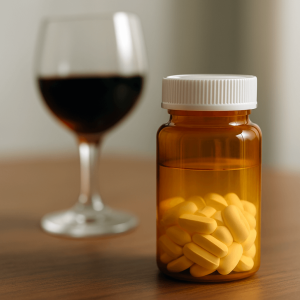
Realistic close-up of a prescription pill bottle next to a glass of red wine, illustrating the risks of mixing Lexapro and alcohol.
alcohol abuse

Lexapro and Alcohol: Can You Safely Drink While on This Medication?

If you take Lexapro (escitalopram) for depression or anxiety, you might wonder whether you can still drink socially. Questions about lexapro and alcohol are extremely common, especially when friends, work events, or holidays involve drinking. The short answer is that mixing these two is usually not recommended, and the details matter more than most people realize.

This guide explains what happens when you combine Lexapro and alcohol, why your prescriber often warns against it, and what to do if drinking has become hard to control while you’re on medication.

Read More »
Vial of midazolam injection and syringe placed beside a sedated patient in a hospital setting, illustrating Versed drug use and procedural sedation.
Addiction

What Are the Side Effects of Midazolam (Versed Drug)?

Midazolam, better known by the brand name Versed, is a powerful sedative that doctors use before surgeries and other procedures. People who search for the “versed drug” usually want to know how it works. Many also want clear information about side effects for themselves or a loved one.

This medication slows activity in the brain and nervous system. That effect can help during surgery, yet it can also become dangerous when someone misuses the drug. This article explains common, serious, and long-term midazolam side effects. It also describes what to do if you feel worried about misuse or addiction.

Read More »
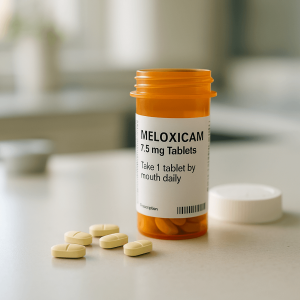
A bottle of prescription meloxicam tablets on a clean medical countertop with soft natural lighting, symbolizing the risks and side effects associated with NSAID use.
Addiction

What Are the Dangers of Meloxicam (Mobic)?

People prescribed meloxicam—also known by the mobic generic name meloxicam—often use it for arthritis pain. Yet this NSAID is not risk-free. If you also misuse alcohol or other drugs, those risks rise. This guide explains key safety concerns and how drug and alcohol rehab treatment in Austin, TX can help if substance use is part of the picture.

Read More »
Still life photograph representing the long term effects of antidepressants on the brain, showing neutral objects symbolizing balance, time, and mental health stability.
Addiction

Long-Term Effects of Antidepressants on the Brain: What’s Known vs What’s Unclear

Many people take antidepressants for months or years. A common worry is the long term effects of antidepressants on the brain.

Here is what experts can say with confidence. Antidepressants do change brain messaging while you take them. Over time, the brain adjusts to that steady change. What is less clear is how often people have lasting symptoms after stopping, and why.

This page explains what’s known vs what’s unclear, without hype or scare tactics. It also addresses searches like ssri long term use, long term antidepressant side effects, and long term antidepressant use. This is educational and does not replace care from your prescriber.

Read More »
A calm therapy session in a sunlit San Antonio counseling room showing a supportive conversation between a therapist and a client, symbolizing intensive outpatient and partial hospitalization care.
Clinical Treatment and Recovery Experiences

IOP vs PHP vs Residential in San Antonio

Choosing the right level of addiction care in San Antonio often comes down to understanding the differences between Intensive Outpatient (IOP), Partial Hospitalization (PHP), and Residential programs. This guide explains how each level works, who benefits most, and what a typical schedule looks like—helping you make an informed decision about your recovery path. Whether you need structured day treatment or flexible outpatient support, you’ll find clear insights into time commitments, costs, and local program details.

Read More »
A realistic scene of a counseling session between a client and therapist, representing the individualized substance abuse treatment plan process from detox to inpatient rehab.
Clinical Treatment and Recovery Experiences

What a Real Substance Abuse Treatment Plan Looks Like: From Detox in Austin to Inpatient in Wimberley

A substance abuse treatment plan is the written roadmap that guides your entire recovery journey. Instead of being a generic checklist, it is a living document that translates your assessment results, diagnosis, and personal goals into clear next steps.

In clinical language, this kind of plan for substance use disorder is sometimes called a “plan SUD.” It is designed for people with a diagnosed substance use disorder (SUD) and outlines how the care team will help you move from acute stabilization to long‑term recovery.

Read More »
Call Now Button